

When the temperature drops, your pet flap works harder than at any other time of year – and any weaknesses soon show. A cold draught by the back door, a flap that sticks in frosty weather or batteries that run out sooner than expected are all common winter complaints.
Here’s how to keep your flap working well and your home warm through the colder months.
1. Check for draughts
Stand by the flap on a windy day and check for:
- Cold air around the edges of the flap
- Daylight visible around the frame
- A flap that rattles or blows open in the wind
- Gaps between the frame and the door, glass or wall
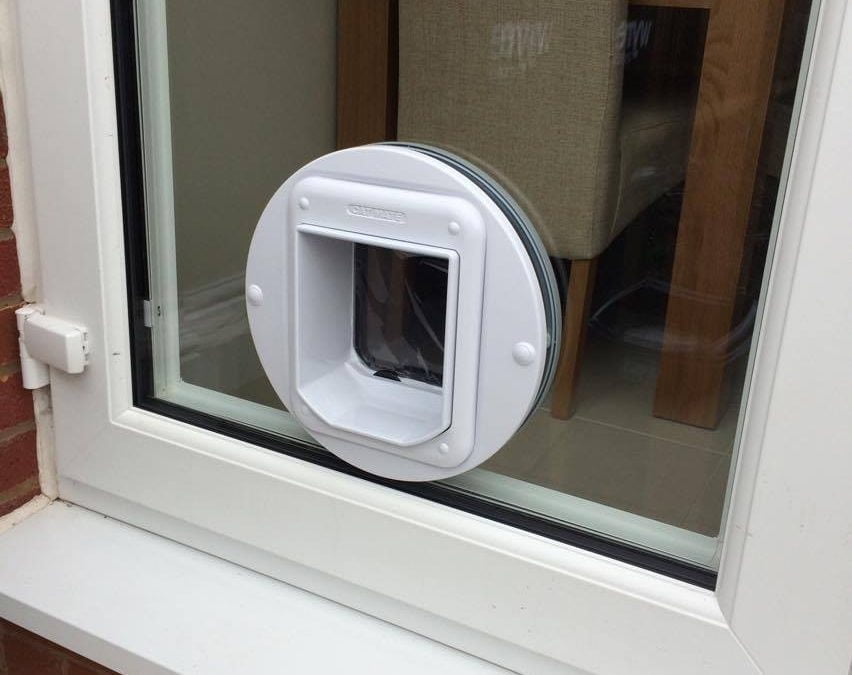
Small gaps around the frame can sometimes be resealed. But if the flap itself doesn’t close tightly, it may be time for a better-sealed model.
2. Clean the seals and magnets
Brush seals and magnets are what keep a flap closed and draught-free. Over time they collect pet hair, mud and grit.
- Wipe the flap and frame with a damp cloth
- Gently clean brush seals and remove trapped hair
- Clear grit away from the magnets so the flap closes properly
3. Dealing with a frozen flap
On frosty mornings, condensation can freeze and stop the flap swinging or locking.
- Gently free the flap by hand – don’t force it
- Wipe away ice and moisture with a dry cloth
- Never pour boiling water over the flap, especially in glass – sudden temperature changes can damage it
- Make sure the area outside the flap drains well, so water doesn’t pool and freeze
4. Look after your batteries
Electronic flaps can be more demanding on batteries in cold weather, and batteries may not last as long in winter.
- Change batteries at the first low-battery warning
- Use good-quality batteries recommended by the manufacturer
- Keep a spare set in the house
- Remove old batteries promptly to avoid leaks, which can damage the flap
5. Use night-time settings
Long, dark evenings are a good time to make the most of your flap’s settings:
- Use “in only” or curfew modes to keep pets in overnight
- On app-controlled flaps, set schedules that change with the seasons
- Fit the locking cover on dog doors overnight for extra security and draught protection

6. Make the outside approach safe
- Keep the path to the flap clear of ice, snow and leaves
- Check outside steps or ramps aren’t slippery for older pets
- Make sure the area just outside is sheltered if possible
7. When to upgrade
If your flap is still draughty after cleaning and resealing, an upgrade can make a real difference. Options designed with sealing in mind include:
- RANGER pet doors, with a DoubleMag magnetic sealing system designed to seal the flap completely, even in windy spots
- Tomsgates pet doors, with a soft rubber flap that seals off draughts and an insulated wooden tunnel option for walls
- High Tech Pet Power Pet doors, with a rigid motorised panel that closes firmly into its frame
In glass, a new toughened glass unit made with the hole built in keeps the glass sealed and efficient around the flap.
Get ready for winter
Complete our free online assessment with photos of your current flap, and we’ll recommend options to keep your home warmer. You can also speak to a friendly advisor on 0330 320 1420 or email [email protected].


